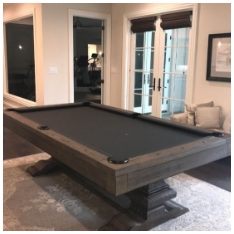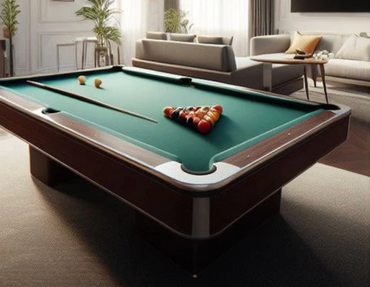
Pool has been a favorite indoor game for generations. Whether it’s a local club, bar, or a personal game room, having the right pool table size can make all the difference in how the game feels. In this Breaking Down Rack: Ultimate Guide to Pool Table Sizes, we’ll take a close look at the different table dimensions, how to measure your space, and what factors to consider before buying one.
Understanding Pool Table Sizes
Pool tables come in a few standard sizes, generally measured by the length of the playing surface. The most common ones include 7-foot, 8-foot, and 9-foot tables. Each offers a different experience in terms of playability and required space.
- 7-Foot Table (Bar Size): Often called the “bar box,” this is the most popular size found in pubs and small recreation areas. It’s compact and easier for beginners.
- 8-Foot Table (Home Size): A middle ground between casual and professional play. It fits most home game rooms comfortably while still offering a challenge.
- 9-Foot Table (Tournament Size): Used in professional settings and tournaments. It provides a larger surface area, demanding more precision and skill.
Understanding these basic sizes is the first step in making an informed decision. The key is balancing your available space with your desired level of play.
Standard Pool Table Dimensions
When choosing a pool table, it’s important to look beyond the label “7-foot” or “8-foot.” Each table’s total size includes both the playing area and the outer rails. Here’s a general guide:
|
Table Size |
Playing Surface (inches) |
Overall Dimensions (inches) |
|
7-Foot |
39 x 78 |
~45 x 84 |
|
8-Foot |
44 x 88 |
~50 x 94 |
|
9-Foot |
50 x 100 |
~56 x 112 |
The dimensions can vary slightly between manufacturers, but these measurements are a reliable starting point.
Room Size Requirements
One of the biggest mistakes people make when setting up a pool table is underestimating the space needed for cue movement. A standard pool cue is about 58 inches long, and you need enough clearance on all sides to shoot comfortably.
To calculate the ideal room size, use this formula:
Room Length = Table Length + (Cue Length × 2)
Room Width = Table Width + (Cue Length × 2)
For example, a 7-foot table (45" wide x 84" long) with a 58" cue would require a minimum of approximately 13’ x 16’ of space. An 8-foot table may need around 13.5’ x 17’, while a 9-foot table could require up to 14’ x 18’.
Choosing the Right Pool Table Size
Selecting the right pool table depends on how and where you plan to use it. Let’s break it down:
1. Home Use
If your goal is casual entertainment with family and friends, an 8-foot table is often the best choice. It provides a realistic playing experience while fitting into most medium-sized rooms.
2. Limited Space
If your room is smaller or part of a multi-purpose area, a 7-foot bar table is ideal. It still delivers great gameplay but leaves room for seating and movement.
3. Professional Practice
For players looking to refine their skills, a 9-foot tournament table is the top option. Its longer shots and larger surface demand precision — great for serious practice or competition setups.
Different Types of Pool Tables
When considering size, it’s also worth understanding the various types of pool tables available:
- Slate Tables: Known for their accuracy and durability. These are heavy and more expensive but provide professional-level performance.
- MDF Tables: Made from medium-density fiberboard, they are lighter and cheaper, ideal for beginners or casual play.
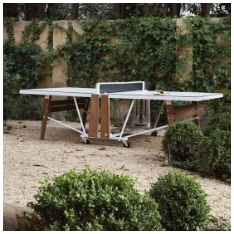
- Outdoor Tables: Weatherproof and designed for patios or open spaces. Usually made with treated materials to resist moisture.
Choosing the right build material is just as important as selecting the correct size.
Impact of Table Size on Gameplay
The table size significantly affects your playing style.
- Smaller tables (like 7-foot) result in faster games and simpler positioning.
- Larger tables (like 9-foot) require stronger cue control, longer shot accuracy, and strategic thinking.
Beginners often start on smaller tables to build confidence, while seasoned players prefer larger ones for a more challenging experience.
Maintenance and Care Tips
Regardless of size, maintaining your pool table ensures a consistent and smooth playing surface. Follow these basic care steps:
- Brush the Felt Regularly: Keeps the surface clean from dust and chalk buildup.
- Cover the Table: Protect it from sunlight and moisture when not in use.
- Level the Table: Check periodically to maintain balance and even roll.
- Clean the Balls: Dirty balls can damage felt and affect gameplay.
- Control Room Conditions: Maintain stable humidity to prevent warping.
Final Thoughts
Choosing the perfect pool table isn’t only about aesthetics it’s about functionality, comfort, and space optimization. Understanding dimensions, room size, and gameplay differences will help you make the right investment.
Whether you’re furnishing a home entertainment area or setting up a professional game room, this Breaking Down Rack: Ultimate Guide to Pool Table Sizes ensures that you choose a table that fits your space and suits your style.
Remember, the right pool table doesn’t just enhance your game it transforms your entire playing experience.