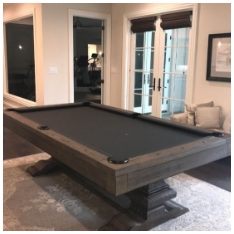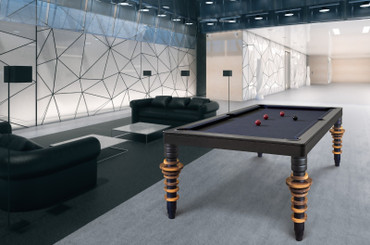
Choosing or maintaining a pool table becomes easier when you understand how its parts work together. For many new players, the equipment can feel confusing at first. Learning the basic terminology helps you identify quality, compare models, and take better care of your table. This guide explains Pool Table Parts: Basic Terminology for Beginners in a simple, structured format so you can build confidence before your next game.
Understanding the Structure of a Pool Table
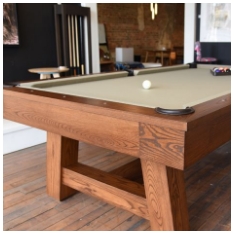
The base design of a pool table remains consistent across brands and sizes. Each part is built to create a stable playing surface, support accurate ball movement, and withstand regular use.
- Frame
The frame is the foundation of the table. It holds all other components in place. A strong frame prevents sagging and maintains level balance over time. Most frames are built from hardwood or engineered wood. When comparing tables, beginners should pay attention to the thickness and weight of the frame, as these factors influence stability and durability.
- Legs
The legs carry the full weight of the table and the slate. Some tables use straight legs, while others use carved or modern designs. What matters most is strength. Adjustable leg levelers are useful, especially for home setups where floors may be uneven. Levelers help you fine-tune the table surface so the balls roll accurately.
- Slate
Slate is the flat stone surface placed beneath the cloth. It is one of the most important pool table parts. High-quality tables use a three-piece slate design, which improves leveling and reduces the chance of warping. Slate thickness typically ranges from ¾ inch to 1 inch. A thicker slate offers better consistency and smoother gameplay.

Playing Surface Components
These parts directly affect how the game feels. Understanding each term helps you evaluate performance features.
- Cloth (Felt)
The cloth covers the slate. Despite commonly being called felt, it is usually a wool-nylon blend. The cloth affects ball speed and spin. A tighter weave produces faster movement, while a thicker cloth creates moderate speed. Beginners should learn how to brush and clean the cloth regularly because dust and chalk buildup can shorten its life.
- Cushions (Rails)
Cushions are the rubber rails fixed to the table's perimeter. They allow balls to rebound consistently. The type of rubber and its installation make a significant difference. Inconsistent bounce is often a sign of worn cushions. Rails also include the wooden outer portion, which provides grip and support for aiming and hand placement.
- Pockets
Pockets are the openings where the balls drop. Pool tables generally have six pockets—four corners and two sides. They may be drop pockets or ball-return pockets. Corner pockets are wider, while side pockets are narrower. Understanding pocket design helps beginners adjust their aim, especially when taking angled shots.
Essential Pool Accessories
Accessories are often overlooked, but they play a key role in maintaining accuracy and improving overall experience.
- Cue Sticks
A cue stick is the primary tool used to strike the cue ball. It is usually made of wood or composite materials. Key parts of a cue stick include the tip, ferrule, shaft, wrap, and butt. A well-maintained tip helps control spin and direction. Beginners should routinely shape and clean the tip to prevent slips.
- Balls
A standard set includes 15 numbered balls and one cue ball. Ball construction affects weight, shine, and bounce. Quality sets use phenolic resin because it maintains roundness and resists cracking. Beginners should avoid storing balls in damp areas, as moisture can lead to surface dullness.
- Racks
Racks help position balls for the start of the game. The traditional triangle rack is used for eight-ball, while the diamond rack is preferred for nine-ball. When using a rack, ensure the balls are tightly packed. A loose rack can create unpredictable breaks.
Hardware and Support Components
Beyond visible parts, several hardware components play an important role in the table’s performance.
- Rail Bolts
Rail bolts secure the rails to the table frame. Properly tightened bolts prevent rattling and maintain cushion alignment. Loose rails affect rebound speed. Beginners should occasionally inspect these bolts, especially after moving the table or replacing the cloth.
- Pocket Liners and Nets
Pocket liners protect the edges of the pocket openings. Some tables also have nets that hold the balls in drop-pocket systems. Over time, liners may wear out and need replacement. If you notice cracking or splitting, replacing liners helps maintain a smooth entry for the balls.
- Corner Castings
These metal caps sit on the corners of the table and act as both protection and reinforcement. They keep the rails aligned and add stability. Castings also prevent damage when players lean on the table.
Pool Table Maintenance for Beginners
A well-maintained table remains level, smooth, and reliable. Understanding the role of each part helps you perform basic care without confusion.
Cleaning the Cloth
Use a soft brush to remove chalk dust after every session. Always brush in straight lines from one end of the table to the other. Avoid circular movements, as they may damage the fabric. Vacuuming lightly once a week helps keep the surface clean.
Maintaining the Slate
Slate requires minimal maintenance, but ensuring it stays level is essential. If you notice abnormal ball movement, the table may need re-leveling. Professionals use shims beneath the slate to fine-tune height. Beginners should avoid adjusting slate on their own unless they have proper guidance.
Checking Cushions
If the cushions feel dead or produce uneven rebound, they may need replacement. Environmental factors such as heat and humidity affect rubber cushions. Keeping the room at a stable temperature helps prolong cushion life.
Cue Stick Care
Wipe cue sticks regularly to prevent dirt buildup. Store them upright or in a cue holder. Avoid leaving them in extreme temperatures, as the wood may warp.
Why Understanding Pool Table Parts Matters
Learning Pool Table Parts: Basic Terminology for Beginners allows players to make informed choices about equipment and maintenance. Whether buying a new table, comparing models, or simply improving your gameplay environment, knowing these terms gives you a solid foundation. Every part contributes to performance, and understanding how they work together helps you appreciate the design and support long-term care.